
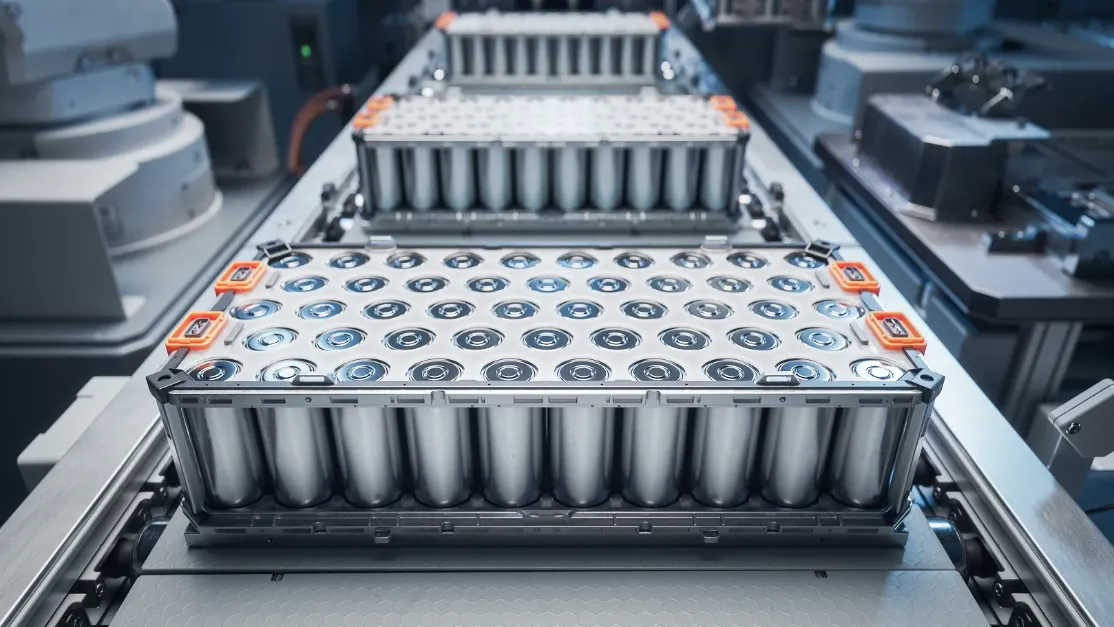
How the EV Battery Segment is Evolving with an Eye on Lithium Supply
The electric vehicle (EV) industry is witnessing remarkable growth across the globe, and batteries are at the center of this transformation. As governments push for cleaner transportation and consumers increasingly adopt electric mobility, the demand for lithium-ion batteries is rising rapidly. However, with this growth comes a major challenge — securing a stable lithium supply to meet future energy storage needs.
Lithium has become one of the most valuable resources in the EV ecosystem because it is a critical component in modern rechargeable batteries. Automakers and battery companies are now focusing not only on battery innovation but also on long-term lithium sourcing strategies. The EV battery segment is evolving quickly as companies invest in mining partnerships, battery recycling technologies, and alternative chemistries to reduce dependency on limited resources.
One of the biggest drivers of this evolution is the surge in electric vehicle adoption in emerging markets like India. From electric scooters and passenger EVs to commercial vehicles, the need for high-performance batteries is growing every year. The demand for reliable battery solutions has significantly boosted the growth of every major e rickshaw battery manufacturer in india, especially as electric rickshaws continue to dominate last-mile transportation in urban and semi-urban areas.
Battery manufacturers are also improving cell design and battery management systems to maximize energy efficiency while reducing lithium usage. New-generation batteries are being designed with longer lifespans, faster charging capabilities, and better thermal stability. These advancements are helping manufacturers lower operational costs while ensuring safer EV performance.
India’s battery manufacturing sector is rapidly expanding to reduce dependence on imports and strengthen domestic production. Today, many companies are investing in giga factories, advanced battery assembly units, and research facilities. The rise of every leading lithium ion battery manufacturer in delhi ncr reflects the growing demand for locally manufactured lithium-ion battery packs for electric vehicles, renewable energy storage, and industrial applications.
Another major trend shaping the EV battery segment is battery recycling. Since lithium resources are limited, recycling used batteries has become essential for creating a sustainable supply chain. Advanced recycling technologies now allow manufacturers to recover lithium, cobalt, nickel, and other valuable materials from old EV batteries. This not only reduces environmental impact but also helps stabilize raw material costs.
Apart from electric vehicles, lithium-ion battery technology is also expanding into several other industries. The increasing use of drones in surveillance, photography, agriculture, and defense has created strong demand for lightweight and high-capacity battery packs. As a result, the market for every Drones camera lithium ion battery pack manufacturer is also growing steadily, contributing to innovation in compact and efficient battery technologies.
Global lithium supply chains are becoming increasingly strategic as countries compete to secure raw materials for future EV growth. Battery companies are entering long-term agreements with lithium mining firms while governments are supporting domestic lithium exploration projects. This shift is expected to improve supply security and reduce price volatility in the coming years.
Another important evolution in the EV battery segment is the development of alternative battery chemistries. While lithium-ion batteries currently dominate the market, researchers are exploring sodium-ion, solid-state, and lithium-sulfur batteries as potential future solutions. These technologies could help reduce pressure on lithium demand while improving battery safety and performance.
The EV revolution is not only transforming transportation but also reshaping global energy infrastructure. Smart charging systems, renewable-powered charging stations, and energy storage solutions are becoming essential components of sustainable mobility ecosystems. Battery innovation will continue to play a vital role in supporting this transition.
In conclusion, the EV battery segment is evolving rapidly with a strong focus on lithium supply security, sustainability, and technological advancement. From battery recycling and domestic manufacturing to next-generation battery research, the industry is adapting to meet growing global demand. As electric mobility continues to expand, lithium-ion battery technology will remain the backbone of the clean energy revolution, driving innovation across transportation, renewable energy, and emerging technologies.