
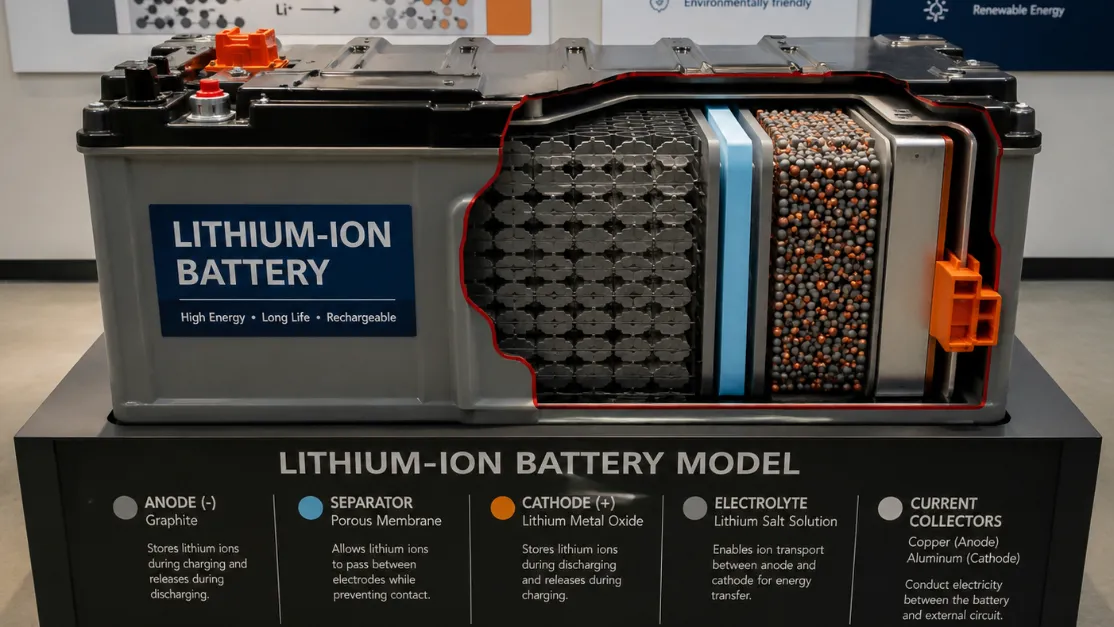
Large Lithium-Ion Battery Model for Secure Shared Electric Bike Battery in Smart Cities
The rapid growth of electric mobility is transforming urban transportation across the world. Shared electric bikes are becoming a preferred solution for reducing traffic congestion, lowering carbon emissions, and promoting sustainable travel in smart cities. At the core of this transformation lies advanced lithium-ion battery technology, which powers modern electric bikes with efficiency, durability, and intelligent energy management.
Today, many lithium ion battery manufacturers in india are investing heavily in large-capacity battery models specifically designed for shared mobility ecosystems. These batteries are engineered to support long operating hours, enhanced safety, and fast charging capabilities, making them ideal for public e-bike fleets.
Large lithium-ion battery systems are increasingly integrated with smart Battery Management Systems (BMS) that monitor voltage, temperature, charging cycles, and battery health in real time. These systems help prevent overheating, overcharging, and short circuits, improving the safety of shared electric bikes in densely populated urban areas. Modern lithium-ion battery packs also include thermal protection and intelligent monitoring features for secure operation.
Smart cities require reliable and scalable transportation solutions. Shared e-bike services equipped with high-capacity lithium-ion batteries allow commuters to travel efficiently for short and medium distances while reducing dependency on fossil-fuel vehicles. Studies on micromobility show that dockless e-scooters and e-bikes are increasingly becoming an important part of first-mile and last-mile urban transportation systems.
One of the major advantages of large lithium-ion battery models is their extended lifecycle and quick recharge capability. Advanced LiFePO4 battery systems used in EV applications provide longer cycle life, high energy density, and better recharge acceptance. These characteristics are critical for shared mobility services where batteries undergo frequent charging and discharging cycles daily.
Battery security is another important factor in smart city transportation. Shared electric bike operators are now adopting IoT-enabled battery tracking systems, GPS integration, and cloud-based monitoring platforms. These technologies help operators detect unauthorized battery removal, monitor fleet performance, and optimize charging infrastructure. Secure battery swapping systems are also emerging as an efficient way to reduce downtime for electric bike fleets.
Safety standards are becoming increasingly important due to rising concerns about lithium-ion battery fire incidents globally. Experts emphasize the use of certified chargers, high-quality battery cells, and intelligent thermal management systems to minimize risks associated with battery overheating and thermal runaway.
India’s EV ecosystem is rapidly evolving with innovations in battery manufacturing, recycling, and energy storage solutions. Companies are expanding lithium-ion battery production capacity to meet the increasing demand for electric mobility solutions. This growth is also supporting the development of solar-powered charging infrastructure in smart cities. Many Solar Light Battery Manufacturers in India are contributing to renewable-powered EV charging systems that reduce dependence on conventional electricity sources.
Apart from electric bikes, lithium-ion battery technology is also playing a major role in electric rickshaws and commercial EV fleets. The demand for efficient energy storage systems has encouraged the rise of the top 10 e rickshaw battery manufacturer companies that are developing durable and high-performance battery solutions for India’s growing electric mobility sector.
The future of shared electric bikes in smart cities depends heavily on secure, scalable, and sustainable battery technology. Large lithium-ion battery models equipped with smart monitoring systems, advanced thermal protection, and fast-charging capabilities will continue to drive the growth of urban micromobility. As smart cities expand and governments promote green transportation initiatives, lithium-ion batteries will remain the foundation of cleaner, safer, and more connected urban mobility solutions.