
The Future of Lithium-Ion Batteries in India’s Clean Energy Revolution
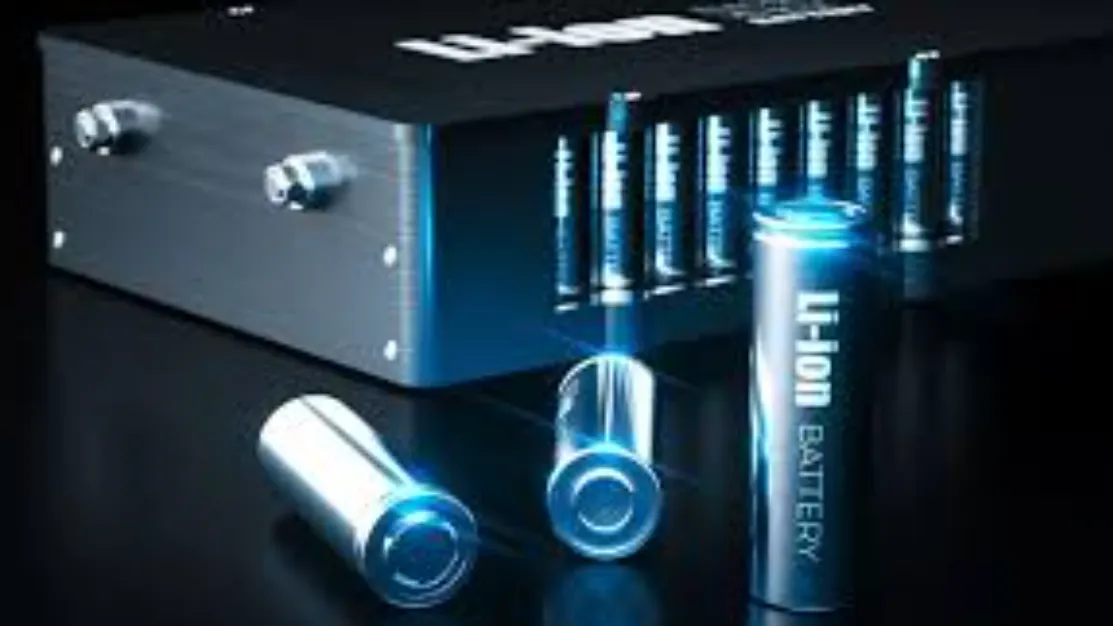
India is undergoing a transformative shift toward clean energy, driven by ambitious climate goals, rapid electrification, and growing renewable energy capacity. At the center of this transition lies one crucial technology—lithium-ion batteries (Li-ion). From powering electric vehicles (EVs) to storing solar energy, Li-ion batteries are becoming the backbone of India’s sustainable future.
Rising Demand and Market Growth
The future of lithium-ion batteries in India looks exceptionally promising. According to industry reports, India’s lithium-ion battery demand is expected to reach 115 GWh by 2030, largely driven by the electric vehicle boom and renewable energy storage needs.
In the long term, this demand could exceed 700 GWh by the mid-2040s, reflecting the scale of India’s clean energy ambitions.
Additionally, the market is expanding rapidly, with projections indicating significant growth supported by government policies, EV adoption, and renewable integration.
Key Drivers of Growth
1. Electric Mobility Revolution
India’s push for electric mobility is one of the biggest catalysts. EV adoption is accelerating due to initiatives like FAME (Faster Adoption and Manufacturing of Hybrid and Electric Vehicles), making Li-ion batteries essential for transportation.
2. Renewable Energy Integration
With solar and wind energy expanding across the country, energy storage has become critical. Lithium-ion batteries enable efficient storage and distribution of renewable power, ensuring grid stability.
3. Government Policies & Incentives
Government initiatives such as Production Linked Incentive (PLI) schemes are encouraging domestic battery manufacturing, reducing import dependency and boosting local industry.
Role of Domestic Manufacturing
India is actively working toward building a self-reliant battery ecosystem. Currently, the country still relies heavily on imports for lithium-ion cells, but this is changing with increased investments in local manufacturing.
The rise of top lithium ion manufacturing in delhi ncr and other industrial hubs is strengthening the domestic supply chain. These manufacturers are focusing on advanced battery technologies, cost optimization, and scalable production to meet growing demand.
E-Mobility and E-Rickshaw Segment
One of the most impactful applications of lithium-ion batteries in India is in e-rickshaws, a vital part of urban and semi-urban transport. Compared to traditional lead-acid batteries, Li-ion batteries offer:
- Longer lifespan
- Faster charging
- Lower maintenance
- Better efficiency
This has led to increased demand for every major e rickshaw battery manufacturer in india, supporting cleaner and more economical transportation solutions.
Technological Advancements
Lithium-ion technology continues to evolve rapidly:
- Lithium Iron Phosphate (LFP) batteries are gaining popularity due to safety and cost advantages
- Improved energy density and charging speeds are enhancing performance
- Emerging alternatives like sodium-ion batteries are being explored for cost-effective large-scale storage
These advancements are making batteries more efficient, safer, and suitable for India’s diverse energy needs.
Challenges Ahead
Despite the growth, several challenges need to be addressed:
- Import Dependency: India still relies on global supply chains for raw materials like lithium and cobalt
- Recycling Infrastructure: Battery recycling remains underdeveloped, posing environmental and economic concerns
- Cost Pressures: Fluctuating raw material prices can impact affordability
Addressing these issues will be critical for long-term sustainability.
The Road Ahead
The future of lithium-ion batteries in India is deeply intertwined with the country’s clean energy goals. As demand surges and technology evolves, India has a unique opportunity to become a global leader in battery manufacturing and innovation.
With increasing investments, policy support, and technological breakthroughs, lithium-ion batteries will continue to power India’s transition toward a greener, cleaner, and more sustainable future.
Conclusion
Lithium-ion batteries are no longer just a component of clean energy—they are the foundation of India’s energy revolution. From EVs to renewable storage and smart grids, their role will only expand in the coming decades.
As India strengthens its domestic manufacturing ecosystem and embraces innovation, lithium-ion technology will play a pivotal role in achieving energy independence and environmental sustainability.